
12 March, 2026
Let's talk tapas
Tapas are delicious, and tapas bars are noisy and fun. Madriñenos know just where to go, when to get there, and what to order. If you are ready to tapear, and share their great passion, they will reveal their favourites in a New York minute.
What were tapas, way back when?
I don't myself subscribe to the popular myth that the "tapa" originated as an edible top, a slice of bread or ham, placed by the bartender over your glass of sherry to keep flies out. Maybe in Andalusia flies drown in sherry if you wait for it, and maybe they don't like the ham, but the true history of the word remains to be discovered. In any event, away from the fly-infested Andalusian taverns, these tops covering drinks evolved into a diverse cuisine in 20th century Madrid and produced a great social ritual for us to unwind.
A Madrid take on tapas
To understand Madrid is to understand the rhythm of the tapeo. While many view tapas as appetizers, for madriñenos they are a celebration of community, conversation, and the simple joy of sharing food. The complimentary snacks called tapas in Andalusia are little better than free bar food, roasted peanuts or steamed edamame, served in America and Japan. But in Madrid, tapas are not a fly-cover or an apetizer served with drinks, but an entire style of social eating in chaotic standing-room-only bars as the authentic way to experience their city.
There is no such thing as a free lunch, or free tapa in Madrid
My friends from southern Spain suffer sticker shock here, amazed at the quantity, quality, and yes, the cost of tapas in Madrid, where we gladly pay €6 to €10 for medias raciones (small portions) and €12 to €18, for a full ración.
Tapas by bar hopping
For our traditional tapas adventure, I suggest enjoying a drink and a small plate at 3 or 4 nearby bars on Calle de la Cava Baja. It's touristy but also deservedly popular with locals. Between us, we can sample humble classics, personal favorites, and even some innovative creations. The goal is to do all these bars in one evening, standing shoulder-to-shoulder with locals, shouting over the clatter of glasses, and moving on before the crowd gets too dense.
We might began with a caña (small beer) and croquetas de jamón, and from there, just follow the crowds, smell the garlic, and trust our instincts. The locals appreciate visitors who dive right in without hesitation (think of night markets in Asia).
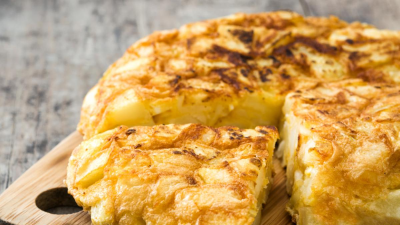
If you are a tapas virgin, I'll make sure we sample all of the classics: Patatas Bravas (fried potatoes with spicy tomato sauce and garlic aioli), Croquetas (creamy béchamel rolls, usually ham or mushroom), Tortilla Española (a thick, custardy potato omelet), Jamón Ibérico (cured acorn-fed ham), Pimientos de Padrón (small green peppers fried in salt, some spicy, some mild), and Gambas al Ajillo (shrimp sizzling in garlic oil).
Tapas at one intimate table
Sounds like bedlam? No worries. If we hope to talk as we savor our food, without shouting over the crowd, we can dine at Casa Lucio, an elegant and traditional dining experience, and order gambas al ajillo with a glass of rioja. Check out their web for photos of the ancient street Cava Baja, as well as some celebrity spotting in Casa Lucio. Or, for something intimate yet modern, we can go to El Club Allard. Whichever we choose, we will have nice tables, attentive service, and time to dine at our own pace.


